Kitchen Conversion Chart SVG Design 9 Review
First Impressions: A Practical Guide for Embroidery Designers
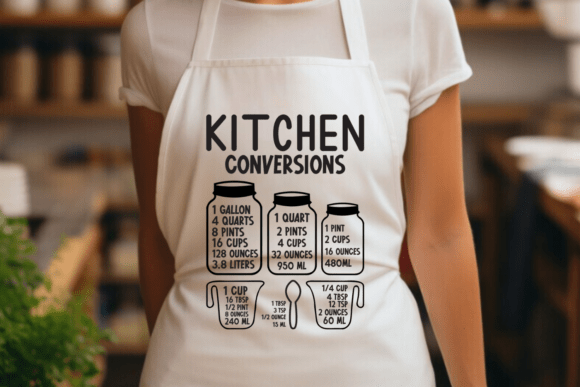
When I first opened Kitchen Conversion Chart SVG Design 9, I was immediately struck by its clean, functional layout. The design feels like a natural fit for any kitchen-themed project—whether it's a custom embroidered apron, a personalized tea towel, or a handmade gift for a culinary enthusiast. It carries a subtle yet professional vibe that makes it ideal for both personal and commercial embroidery projects.
The layout is well-organized, with clear sections for measurements and conversions. This kind of clarity is essential when designing for products that require readability, such as tote bags or aprons where the chart needs to be easily legible from a distance. The visual personality of the design leans toward minimalism, which gives it a modern edge without sacrificing usability.
Real-Life Scenario: Custom Embroidered Apron Project
Imagine you're preparing a custom embroidered apron for a local bakery. You want to add a unique touch that reflects the shop’s brand while also being useful for customers. Kitchen Conversion Chart SVG Design 9 would be an excellent choice for this scenario. Its layout allows for easy placement on a larger surface, making it suitable for a full-sized apron panel.
I envision this design working particularly well on a light-colored fabric, where the contrast between the thread colors and the background enhances visibility. However, if using it on darker fabrics, it would be important to test different thread colors to ensure the text remains legible after stitching.
For a small shop product like an apron, this design adds value by offering a practical feature—making it more than just a decorative element. Customers would appreciate the functionality, which can boost their trust in your handmade products.
Performance in Real Embroidery Situations
Kitchen Conversion Chart SVG Design 9 has a versatile appeal. It works well for custom apparel, including sweatshirts and t-shirts, especially when placed in a prominent area like the front or back. For tote bag designs, the chart can be centered or positioned near the handles, depending on the overall layout.
On baby clothes or caps, the design might need careful scaling and placement to avoid overwhelming the smaller space. However, for patches, pillow covers, or tea towels, the design shines due to its straightforward structure and lack of overly intricate details.
This design is also a great fit for holiday gifts, such as embroidered kitchen towels or personalized aprons. It adds a thoughtful, functional element that elevates the gift beyond simple decoration.
Where to Use with Caution
While Kitchen Conversion Chart SVG Design 9 is a strong contender for many projects, there are certain situations where extra attention is needed. For instance, using it on small hoop sizes could lead to loss of detail, especially in the smaller text areas. Testing on scrap fabric first is always a good idea to confirm how it looks at scale.
Textured fabrics or stretchy materials may affect the final appearance, so using the right stabilizer is crucial. Additionally, if the design is used on dark-colored fabrics, it’s important to choose thread colors that provide sufficient contrast. Dense stitch areas should also be evaluated for potential puckering or distortion.
For curved surfaces like caps or hats, adjusting the design to accommodate the shape is necessary. Detailed corners and tiny lettering may require additional reinforcement to maintain clarity and sharpness during the embroidery process.
Impact on Visual Appeal and Professionalism
Kitchen Conversion Chart SVG Design 9 contributes significantly to the visual appeal of any finished product. Its clean lines and organized layout enhance the overall presentation, making it a valuable asset for craft businesses, Etsy sellers, and small shop owners looking to offer high-quality, functional items.
From a customer perspective, this design adds perceived value to handmade products. It communicates thoughtfulness and attention to detail, which can increase buyer engagement and satisfaction. For commercial embroidery projects, it ensures brand consistency and professionalism, especially when used across multiple items like aprons, tote bags, or patches.
As a designer, I also appreciate how this file supports both personal and commercial use. When considering selling finished products or digital assets, confirming licensing terms is essential. Always check whether the design can be sold or used in commercial contexts before moving forward.
Embroidery Designer Notes and Best Practices
To get the most out of Kitchen Conversion Chart SVG Design 9, consider testing it on scrap fabric first. This step helps identify any issues with stitch density, thread color contrast, or fabric compatibility before committing to a final product.
Reviewing the stitch density is important, especially for garments that will undergo frequent washing. Using proper stabilizer can prevent distortion and ensure the design remains crisp and clean over time.
Testing the design in black and white mockups can also help assess how it will look on different fabric backgrounds. Comparing light and dark options ensures the final product meets expectations, regardless of the fabric chosen.
Lastly, always confirm whether the design is suitable for both personal and commercial use. If planning to sell finished products or digital assets, make sure to understand the licensing terms to avoid any legal complications.
Overall, Kitchen Conversion Chart SVG Design 9 is a reliable, practical addition to any embroidery designer’s toolkit. Whether you're crafting for a boutique, an Etsy listing, or a personalized gift, this design offers a blend of functionality and aesthetic appeal that can elevate your handmade creations.